
TOP TEN IN NO PARTICULAR ORDER
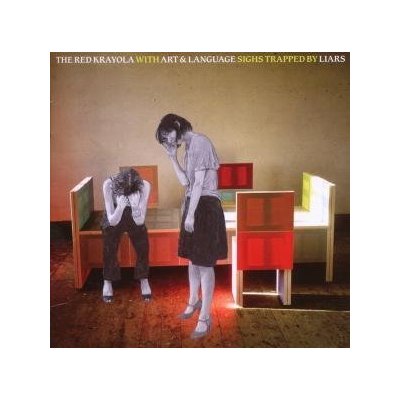 RED KRAYOLA, SIGHS TRAPPED BY LIARS [Drag City].
I sometimes find myself listening to Red Krayola records and wishing they came with a conceptual secret decoder ring, so densely puzzle-like are Mayo Thompson & Co.’s lyrical concerns. While Sighs Trapped By Liars —Mayo’s fourth full-length collaboration with Dadaist tricksters Art + Language since 1973— is no different, the overall tone is softened by the lilting harmonies of vocalists Elisa Randazzo and Sandy Yang, stepping up to the Krayola mic for the first time.
Each song plays out like an intellectual shell game —slyly, slowly unveiling itself. Textual and textural, each puzzle a pretzel full of malaprops and blunt declarations. Innocence is twisted into self-deception; pornography transformed into poetry. Subversion is the game; de Sade and Peret would wholeheartedly approve. Sighs is a delightful return to form for this chameleonic group, settling in to a charmingly bossa-nova-ish beat while the two women sing cheekily about merde and deceptive self-reflection.
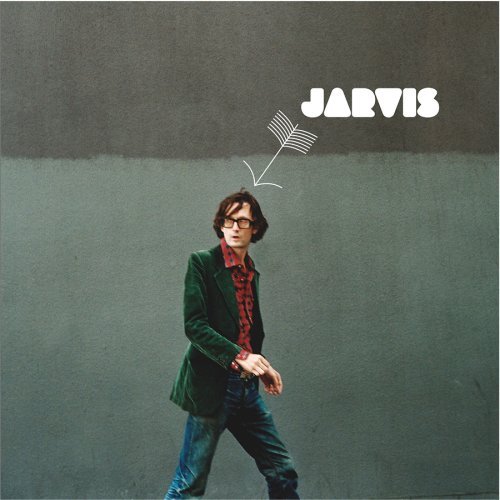
JARVIS COCKER, THE JARVIS COCKER RECORD [Rough Trade/World’s Fair]
Like Red Krayola, former Pulp auteur Jarvis plays up the frisson between surface and interiority. A pop craftsman in the old school Lee Hazlewood vein (JC even wrote album opener “Don’t Let Him Waste Your Time” for ol’ Plastic Nance herself), Cocker effortlessly cloaks his bleakly honest (sometimes bitterly so) observations about the world in lush, effortlessly seductive orchestral arrangements. While the wryly-titled Jarvis Cocker Record doesn’t hold together quite as concisely as Pulp’s 1995 masterwork Different Class, it’s still a welcome tonic to all the escapist pop out there. It’s good to have Cocker’s cracked worldview —at once deeply romantic and deeply cynical— with us after a long absence. At last: a warped beat you can dance to.
 Jarvis Cocker, “Baby’s Coming Back To Me”
KRISTIN HERSH, LEARN TO SING LIKE A STAR [4AD/Yep Roc]
Miles away from the hushed, secretive The Grotto, Learn to Sing Like A Star’s 14 songs are equal parts blistering and sepulchral, existing on middle ground somewhere between the jagged disquiet of Throwing Muses’ 2003 outing and the “pure, pissed-off sunshine” of 2001’s solo outing Sunny Border Blue.
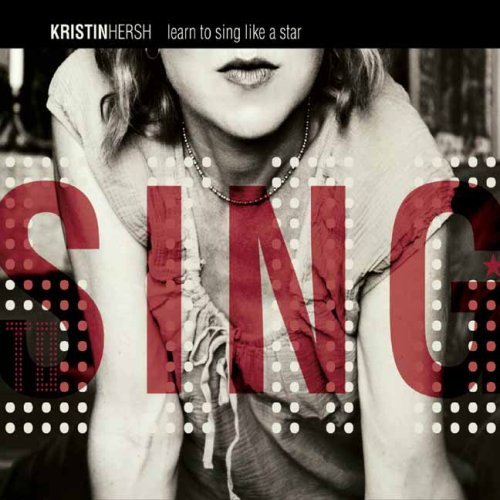 Lyrically, the songs have a pungent present-tense conversational directness. On “Wild Vanilla,” Hersh sings, deadpan: “That was one striking phone call boy/Your voice at a fever pitch/And here I thought you’d just/Full of white noise called to bitch.” Mingled amongst the confessionals are boisterous, surreal tall tales about parrot ladies and bickering with the devil. There are hints of magical realism — as when little green apples appear to cartoonishly mock the desire-stunned narrator of “In Shock” or when the faraway object of desire in “The Thin Man” rubs his hands together, “sparks fly,” a gift of fireworks “in the ozone snow.”
Emotional blows are sometimes softened with wry humor (“You apply your me-repellent”) but often arrive artlessly unblunted (“I left my heart on the frozen sidewalk/Kicked around and sliding on the dirty ice”). The mood swings are tied together by the albums’s string-laden, cinematically sumptuous sound. It’s a bright, messy record from an artist who’s never been afraid to take chances.
You can learn more about Kristin’s latest projects by visting her new venture Cashmusic.org.: it’s a very cool way to support her directly. (You can sign up at a variety of levels here.) In exchange, you get to hear the music as it happens. The first track, “Slippershell”, is already up; more to follow.
Kristin Hersh, “Slippershell” (from K’s upcoming record, provisionally titled Speedbath)
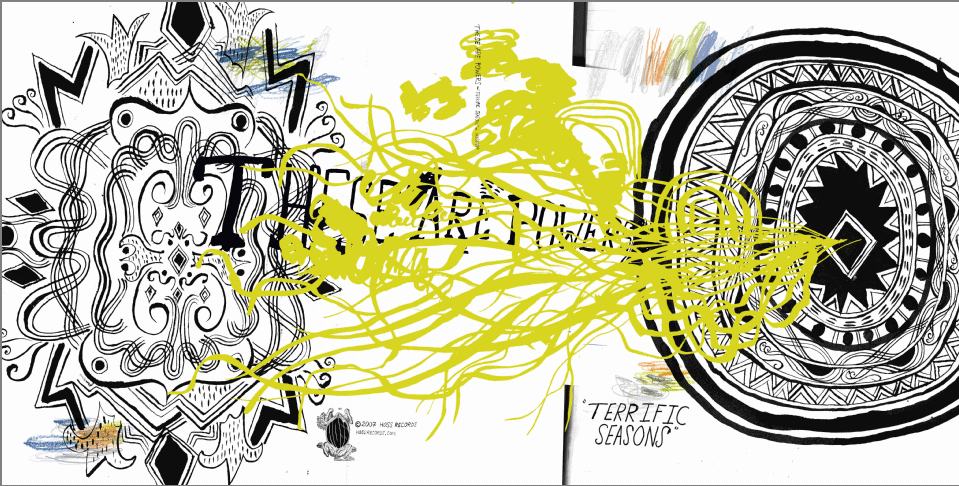
THESE ARE POWERS, TERRIFIC SEASONS[Hoss].
Brooklyn trio These Are Powers call themselves “ghost punk”; if by that they mean haunting, arresting music that is difficult to shake, then sure —ghost punk it is. Their music is certainly a bracing mix of repetition, breathless narration building towards Stein-ian abstraction, and searing (yet oddly vulnerable) noise. Their 2007 Elsie & Jack 7″, Silver Lung, quickly became one of my favorite discoveries; their debut LP Terrific Seasons builds on that promise with martial precision and deliriously manic skree. Your best bet is to see the group live: they’re crazy and intense and irresistably danceable.
Anna Barie sings like a vengeful banshee hell-bent on destruction (although she can also sound disconcertingly girlish when she wants to); the band, desperate to keep up, builds on the scrawled desperation with a wildly inventive percussive clatter (as one would expect from a group that includes ex-members of Liars and Knife Skills among their number). It may sound menacingly shrill at first, but give yourself a minute to acclimate —the exhilaration will catch up with you.
These Are Powers, “Little Sisters of Beijing” (from Terrific Seasons, Hoss Records, 2007)
DIAL, 168K [Cede].
Assembled in the early 90s with Jacqui Ham (Ut), Rob Smith (ex-God, guitars, drum machine), Dom Weeks (Furious Pig, Het) on bass & synthesizer, and Lou Ciccotelli (Eardrum) on drums, Dial’s music is characterized by a rawness, both emotional and musical, that lends it a furious immediacy.
This tendency towards assaultive guitar din gives way at the most unexpected moments to surprising delicacy, as on the transfixing “Psychotrance,” a lustrous, cracked-mirror mantra in which Jacqui’s world-weary, jolie-laide coo fights against the fractured tide, her vocals spectral and brutal in equal measure. Exploiting tape hiss and the pitted, low-end patina of electrical interference, what is initially apocalyptically skuzzy-sounding becomes, via droning repetition and haunted keening, nearly sepulchral by song’s end. It’s a perfect entry point into Dial’s new album, 168k [Cede], a blurred-out, ghost-in-the-machine howl that never once lets up.
Limning the fertile territory between abrasive noise and oddly meditative controlled chaos, the album even flirts—in its own fractured way— with pop song-form, be it on the aforementioned “Psychotrance,” the surging, incantatory “Soda Wars,” or the hardscrabble, coiled “Hey Condition.” Jacqui’s densely imagistic lyrics are sung with fitful, rhythmic tartness; her tempest-tossed wail rides the waves of contorted noise with assurance.
168k’s songs are constructed with precision and move with monumental, glacial force. At times heavily claustrophobic —all looming intensity and livid emotion—the bruised landscape gradually gives way to something softer, less scorched-earth. But that’s no admission of complacency —simply a reminder that, if you listen carefully enough, there is beauty to be found here.
Dial, “Psychotrance” (from 168k, 2007)
SPIRES THAT IN THE SUNSET RISE, THIS IS FIRE [Secret Eye].
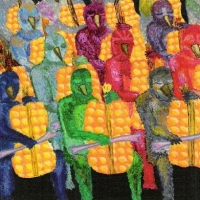 Sounding uncannily like the Slits by way of Comus, this complex, chameleonic Chicago-based four-piece constantly trades off on instruments (an impressive array of harps, guitars, cello, drums, harmonium, banjo, mbira, spike fiddle, bul bul tarang, and bells) and vocal duties. (They also favor otherworldly, complex harmonies.) The results are playful, dark, and complex —even discomfiting— but they’re never anything short of thrilling.
This Is Fire (their third album) is utterly transfixing from start to finish —a magical, occasionally harrowing universe of birdsong and siren calls. On the basis of a recent live show, their upcoming record, Curse the Traced Bird (out in 2008), may even trump it. That may sound like a tall order, but this magical group has yet to make a false step.
Spires That in the Sunset Rise, “Java Pop” (from Curse of the Traced Bird, Secret Eye, forthcoming in 2008)
ELECTRELANE, NO SHOUTS, NO CALLS [Too Pure] | VERA NOVEMBER | FOUR SONGS BY ARTHUR RUSSELL [Rough Trade/Beggars USA].
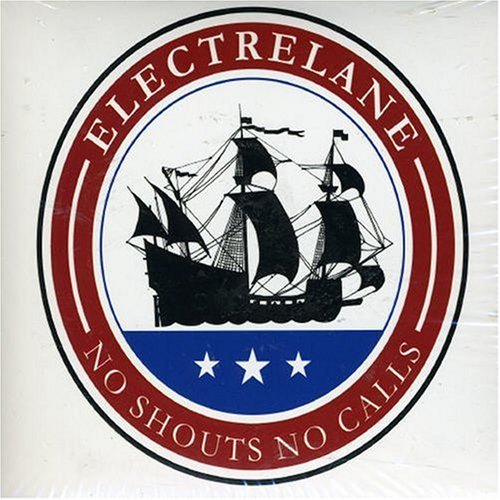 I’m very sad that Electrelane have pulled a
Sleater-Kinney on us. Better to go out on a high point I suppose, and No Shouts, No Calls was certainly that.
My disappointment has been tempered by listening to Verity Susman’s gorgeous solo project, Vera November. So far the only release under that name is part of the Too Pure Singles Club, “Red Dream” b/w “Mouthful of Pebbles” (available for download through Rough Trade Digital), and a contribution to Arthur Russell tribute Four Songs By Arthur Russell; the poignant, piano-driven “Our Last Night Together.”
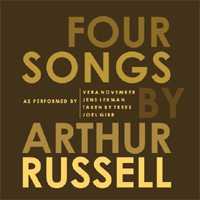 The rest of the EP —with contributions from project mastermind Jens Lekman, Victoria Bergsman of Taken By Trees, and the Hidden Cameras’ Joel Gibb — is equally lovely. You can find it here for a paltry $3.69. (Lest I sound like a used car salesman, a better musical bargain you’ll not find all year.) The beauty of this tribute EP is how well-balanced it is: performances by two women and two men, with none of the embarrassing filler that populates most of these tribute albums. (As Lekman says, “Tribute albums are boring in my opinion and tend to lose focus halfway through.” Hence four perfect little songs, nothing more.) For more about Arthur Russell, there’s information about a documentary being made about his life.
Verity has a slew of demos up at her Myspace page. I especially recommend “Give Me A Sign” and “Jive.”
BEIRUT, THE FLYING CLUB CUP [Ba Da Bing!/4AD].
Zach Condon sings with the gravity of an old soul who’s also deeply in love with the world. Listening to The Flying Club Cup, Beirut’s worthy follow-up to last year’s exquisite debut,Gulag Arkestar, is like being spun on a merry-go-round a bit too fast —a bit regressive, certainly joyous and exhilarating. Condon’s mournful voice is buoyed up by the bright, everything-but-the-kitchen-sink instrumentation (from strings to brass to accordion; Final Fantasy’s Owen Pallett also supplies string arrangements and vocals). The resulting songs feel at once immediate and part of some lost world.
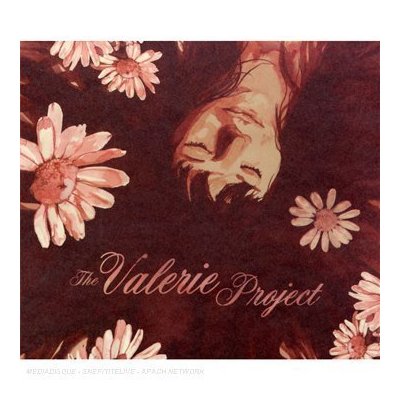 THE VALERIE PROJECT[Drag City] |VALERIE & HER WEEK OF WONDERS OST[Finders Keepers].
The Czech Surrealist film Valerie and Her Week of Wonders(Valerie a t˘den divÛ, 1970) is a film that, once seen, cannot be forgotten. Like Angela Carter’s Company of Wolves, this strange, hallucinatory coming-of-age tale draws on folk imagery and traditions to tell the sometimes nightmarish, topsy-turvy tale of Valerie and her adventures. Whether dream or nightmare, the film remains one of the highest accomplishments of the burgeoning Czech New Wave.
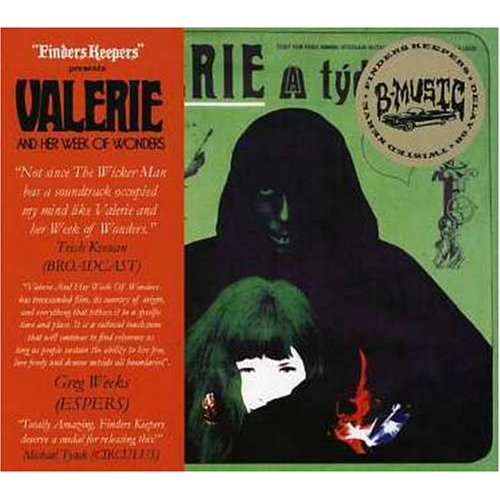 Greater still is Lubos Fiser’s exquisite score, which has finally been restored to print by the lovely people at Finders Keepers. Time praised Fiser’s “austere purity” in a review way back in 1971, and, listening to this soundtrack so many years later, I can’t help but agree. The music has a revelatory simplicity and ineffable grace.
Espers’ Greg Weeks, an ardent fan of Fiser’s score, has nevertheless been inspired to create one of his own, done in collaboration with a slew of like-minded musicians (Fern Knight’s Margaret Wienk, Jesse Sparhawk, and Jim Ayre; Fursaxa’s Tara Burke, Weeks & Helena Espvall-Santoleri from Espers, among others). This lush double-vinyl & CD release of the recorded soundtrack will doubtless hold me over until the group manages to tour again.
Lubos Fiser, “Disquiet” (Original Soundtrack)
The Valerie Project, “Feast” (Live in Philadelphia, 2006)
EGLANTINE GOUZY, BOAMASTER [Osaka].
Eglantine Gouzy’s album Boamaster was an impulse purchase after I found her on a WireTapper comp; this album, charmingly crowned with Gouzy’s own scribbles, has an unsettling child-like quality. At times, Gouzy’s lilting inflections echo Bjork’s; stylistically she has a similar, restless need to explore the subconscious and the unfamiliar. Fittingly, her songs are subversive little nursery rhymes, spidery and unexpected. The spare electronic arrangements are sometimes bleak and jarring, sometimes bright like a whirring wind-up toy orchestra.
Eglantine Gouzy, “Cuckoo” (from Boamaster)
ALSO HIGHLY RECOMMENDED:
NEXT: BEST OF ’07 REISSUES, PASSINGS, & UNDERSUNG RELEASES